
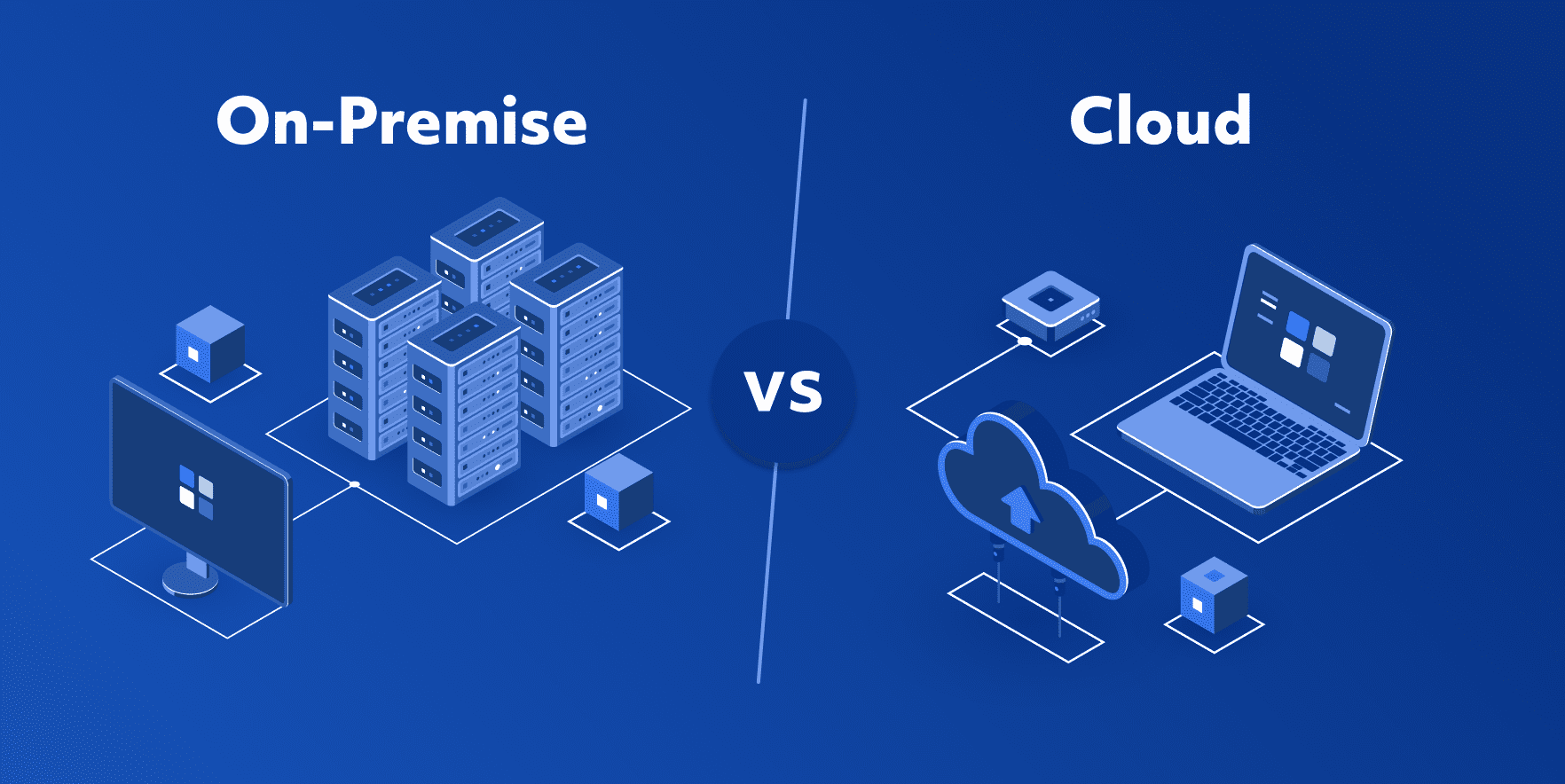
The Fundamental Shift in Deployment Models
On-premises software is hosted on internal servers on the back of a local firewall with the highest degree of control, while cloud software is hosted by third parties and used via the web. The decision will impact on long-term balance between up-front capital investment and operational agility.
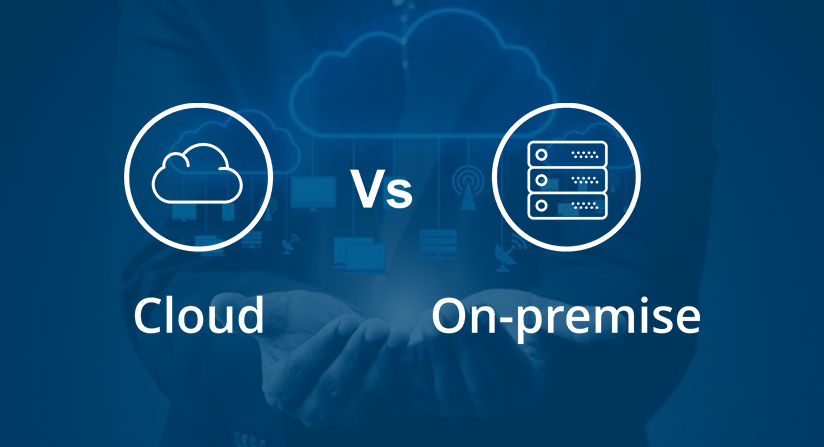
Choosing an architecture is no longer a binary “new vs. old. It is about a calculation of technical debt and resource allocation, in a strategic approach. When choosing between on-site hardware maintenance or outsourcing, organisations need to consider whether they wish to enter the hardware management business or whether they prefer to hand it over to the experts. The choice affects the ways in which data is integrated into a CRM system, the algorithms that determine the lead score, the data silos that are the backbone of a global ERP system, and so much more.
The On-Premises Stronghold: Control and CapEx
For industries with rigid regulatory requirements—think defense or high-stakes finance—on-premises remains the gold standard. You own the stack. The patches are controlled by you. First and foremost, you will know where your data is stored. This “air-gapped” potential is the last line of defense against attacks from outside the system that are aimed at a shared cloud environment.
- Total Data Sovereignty: Control the disks and the network – no access by third parties.
- Low Latency Performance: Local networks are usually faster than those which go through the internet, which is essential for fast manufacturing execution systems.
- Legacy Integration: Older legacy systems are less likely to have API integration functionality, which can pose a problem for modern SaaS.
The “ownership” is, however, not cheap. Initial capital expenditure (CapEx) of the server, cooling and rack space is huge. Further, you have to deal with the “technical debt” of old equipment. If the server dies at 3:00 AM on a Sunday, it’s your in-house IT guys that are driving to the data center, and not some support guy from a vendor who goes by a different name.
The Cloud Revolution: Scalability and OpEx
Cloud-based enterprise software has revolutionized the software paradigm by making software a utility. It’s the “Pay as you go” approach of the tech world. This reduces companies from investing in depreciating servers to investing in research and development (R&D) while maintaining cash flow.
- Fast Elasticity: Need to scale up your users to meet the demand for a season? Not 6 weeks of procuring new hardware – it only takes a few clicks.
- Automatic Innovation: Vendors deliver updates, security patches and new innovations such as AI-based lead scoring without any effort from your team.
- Global Accessibility: Remote work is no problem when the system is accessed remotely through the web; your team can work anywhere.
But “The Cloud” isn’t the answer to all those problems. Fatigue with subscriptions is a reality. Those monthly fees per user can add up over time and can surpass the one time cost of perpetual. Additionally, organizations can become “vendor locked-in” when data egress fees are charged as they pull data out of the provider’s ecosystem.
Strategic Value and the Hybrid Reality
The most advanced enterprise leaders are moving towards a ‘hybrid’ strategy. They store sensitive core data in their own data centre, and collaborate using the cloud and engage with their customers on the front-end. This removes data silos as it involves a strong middleware that connects the two environments.
Finally, it is up to your own ability. On-premises could be the most cost-effective choice if you have a large pool of infrastructure staff. The cloud is the speed you need to be able to compete if you’re a lean, growth-oriented business. Look for the direction you want your IT team to invest their mind power; in your business or in keeping the “pipes.